
"El Salvador coffee"
900 article(s) found
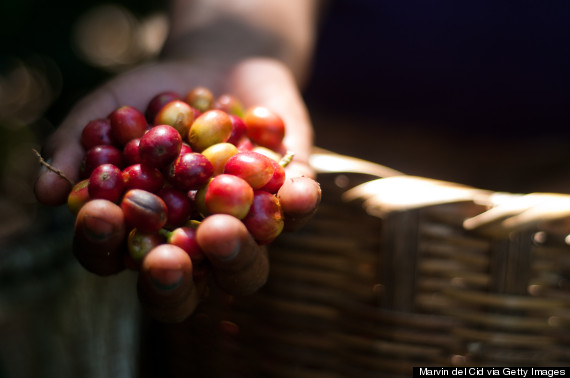
Introduction to El Salvador Coffee beans El Salvador: Parkmara Coffee from South America
Many coffee lovers will not know the country of El Salvador, which is located in Central America, bordered by Guatemala and Honduras in the north, and the Pacific coastline in the west and south. El Salvador is the smallest country in Central America and the most densely populated country in Central America. The topography is mainly mountainous and plateau, with many volcanoes. Santa Ana active volcano is 2385 meters above sea level.
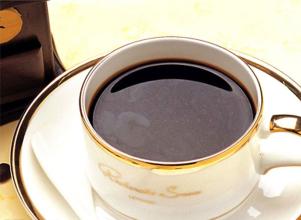
Introduction of taste grinding scale for flavor description of coffee bean varieties in El Salvador
The civil war in coffee varieties caused chaos and affected economic development, but ironically allowed coffee antiquities to be preserved, and the situation was so chaotic that coffee producers in El Salvador failed to catch up with the renewal of coffee varieties in Central and South America. El Salvador produces 100% Arabica coffee, of which 68% is Bourbon, Coffea arabica var. Bourbon), 29% Pa

World boutique coffee producing area El Salvador Parkmara Coffee
El Salvador: Parkmara coffee flavor and taste characteristics: mild taste, good texture. El Salvador, located in the northwest of Central America and bordered by the Pacific Ocean to the south, is one of the birthplaces of the ancient Mayan civilization. The nearby volcanoes, plateaus, lakes and bathing beaches along the Pacific coast are all very pleasant. But nothing makes El Salvador most famous for its unique mouth.

El Pakmara Coffee
El Salvador, located in the northwest of Central America and bordering the Pacific Ocean in the south, is one of the birthplaces of ancient Mayan civilization. But El Salvador is best known for its unique, mild-tasting coffee. El Salvador: Pakmara Coffee Flavor Palate characteristics: Mild taste, excellent texture. El Salvador, located in northwestern Central America, south of the Pacific Ocean, is an ancient Mar.
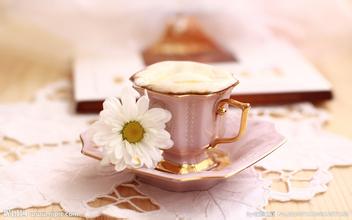
Introduction to the taste of high-quality coffee beans in El Salvador Himalayan coffee producing areas
In El Salvador, the coffee beans rich in the Kuskabapa region are the best, slightly lighter, fragrant, pure and slightly sour. Like Guatemala and Costa Rica, coffee in El Salvador is graded according to altitude, and the higher the altitude, the better the coffee. The best brand is Pip, whose quality has been recognized by the American Organic Certification Society. In addition
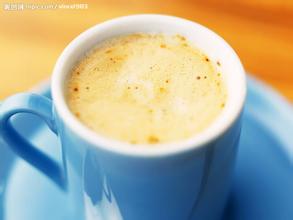
El Salvador coffee bean flavor taste manor production area introduction of El Salvador coffee bean hand-brewed boutique coffee
El Salvador's coffee accounts for 40% of the country's exports, and it is usually picked in November, December and January-March of the following year. The export of raw beans lasts almost all year round. Coffee is produced in seven of the country's 14 provinces, with the largest number in the northwestern provinces of chalatenango and santa ana. The coffee produced in El Salvador is 100% Arabica, of which 68% is
Introduction to the planting methods of the Coffee growing area in El Salvador
A brief History of Coffee production in 1742, coffee was introduced to El Salvador from the Caribbean (1740). In the mid-19th century, El Salvador's original export pillar Indigo (one of the dyes) received a gradual decline in the development of synthetic dyes in Europe, and coffee gradually became the main export product under the guidance of the government. In 1856, the first 693 bags of coffee beans were shipped to Europe. all long
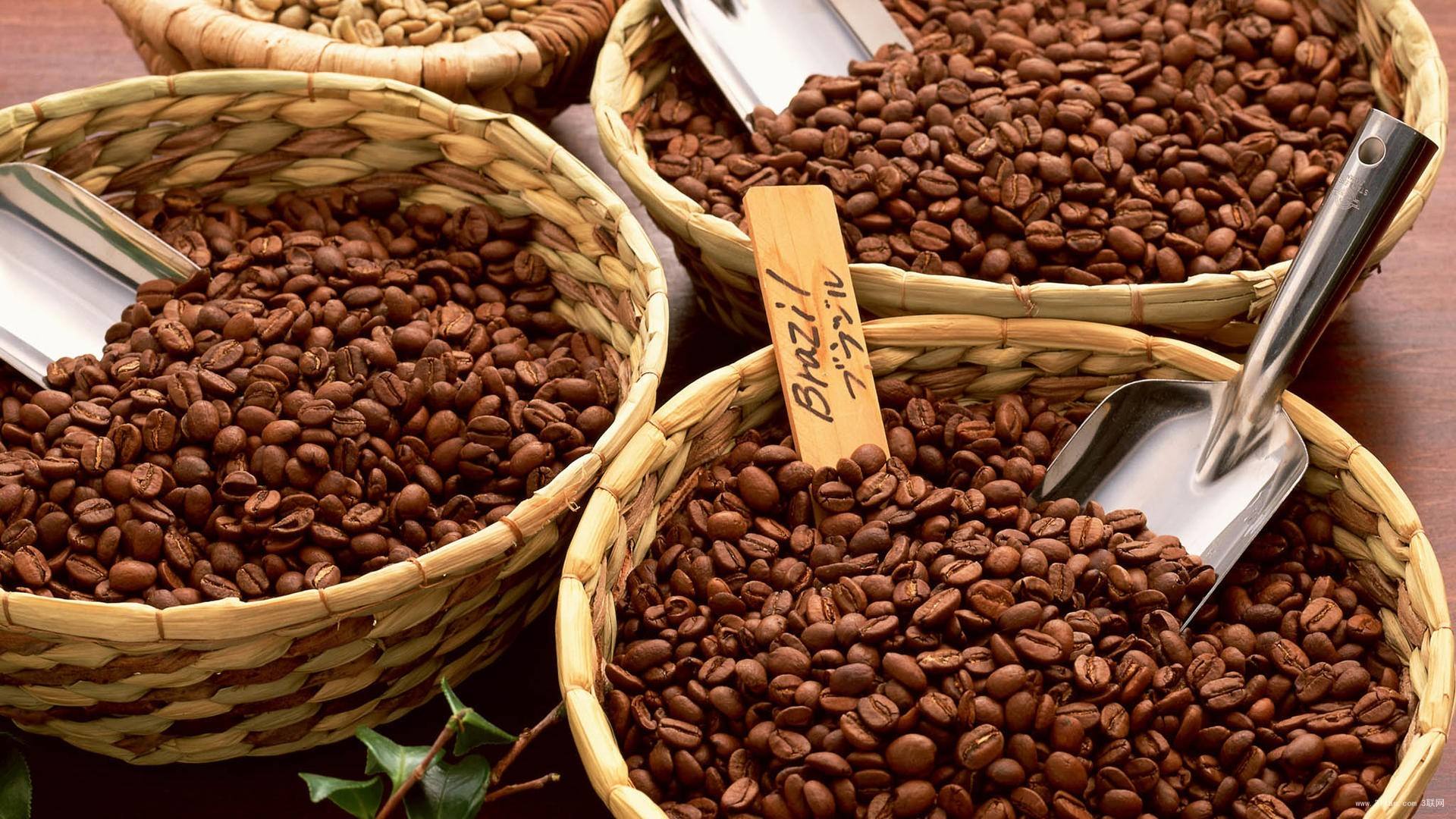
El Salvador Himalayan coffee flavor description, El Salvador Himalaya introduction
Following Cafe (official Wechat account vdailycom) found that Maaya Manor, a small shop of its own, is one of the few estates managed by Aida Batlle, located in Santa Ana, a famous producing area in the Apaneca Mountains, which is 1500 meters above sea level. The varieties planted are mainly bourbon. The coffee beans produced by this estate are located in the name of Mauricio Salaverria.
The cultivation of El Salvador Himalayan boutique coffee beans with excellent balance geographical location and climate sea
El Salvador's coffee accounts for 40% of the country's exports, and it is usually picked in November, December and the 13th of the following year. The export of raw beans lasts almost all year round. Coffee is produced in seven of the country's 14 provinces, with the largest number in the northwestern provinces of chalatenango and santa ana. The coffee produced in El Salvador is 100% Arabica, of which 68% is

Description of the flavor and flavor characteristics of El Salvador Himalayan boutique coffee beans with sweet almond tea flavor
The first El Salvador to drink is washed beans, medium-shallow baked, warm and gentle, smooth entrance, sour and sweet mellow thickness are very regular, do not have too prominent flavor characteristics, so do not leave too much impression. But the flavor of tanning El Salvador becomes very recognizable and amazing. The dry aroma after grinding gives off a pleasant heat.
A brief introduction to the description of flavor and flavor characteristics of coffee beans with pure fragrance from Mount Everest of El Salvador
Coffee from El Salvador is a specialty of Central America, where it is light, fragrant, pure and slightly sour. Like Guatemala and Costa Rica, coffee in El Salvador is graded according to altitude, and the higher the altitude, the better the coffee. The best brand is Pipil, which is what the Azbec AztecMayan called coffee, and it has been acquired.
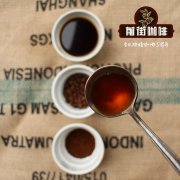
How does the coffee from El Salvador taste? How are the raw coffee beans in El Salvador graded?
El Salvador bourbon coffee is famous for its sweetness and balanced taste, with pleasant supple acidity and overall harmony. El Salvador began to grow coffee commercially in the 1850s and became the fourth largest coffee producer in the world in 1880, becoming an important source of economy and a major export crop in El Salvador. But the civil war broke out in the 1980s, and coffee was produced.
El Salvador Coffee country introduces the boutique of Renas Manor in IzaIco area of Sonsonate Province
A brief History of Coffee production in 1742, coffee was introduced to El Salvador from the Caribbean (1740). In the mid-19th century, El Salvador's original export pillar Indigo (one of the dyes) received a gradual decline in the development of synthetic dyes in Europe, and coffee gradually became the main export product under the guidance of the government. In 1856, the first 693 bags of coffee beans were shipped to Europe. all long

El Salvador Coffee Grinding degree Taste characteristics Variety Flavor description Fine Coffee introduction
Many volcanoes in the territory, known as the country of volcanoes, the lowest elevation is 0 meters, the highest is the Santa Ana active volcano 2385 meters. It became a Spanish colony in 1524. Independence from Spain in 1821. In 1824, he joined the Union of Central America, including Guatemala, Honduras, Nicaragua, Costa Rica, and Mexico. In 1841, secession and independence
A brief introduction to the Market Price of Fine Coffee Bean varieties in Renas Manor of El Salvador with balanced taste
Today, this coffee accounts for 40% of the country's exports. The best quality coffee is exported from January to March, and 35% of the extra hard beans are exported to El Salvador, Germany. Salvadoran coffee refers to coffee produced in the small South American country of El Salvador, which is light, aromatic, pure, slightly sour and characterized by excellent balance of flavor. It is a specialty of Central America. With sour, bitter, sweet and other taste characteristics, the best baking degree
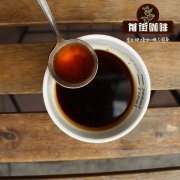
Does El Salvador Carmen Manor make good coffee? how about El Salvador Carmen Manor Coffee?
Professional coffee knowledge exchange more coffee bean information please follow Coffee Workshop (Wechat official account cafe_style) El Carmen Geisha Natural-El Carmen Manor El Salvador is located 1300 meters above sea level in El Salvador Apaneia-Ilamatepec Mountains, is one of the main specialty coffee producing areas in Central America. The estate was cultivated by the Alfaro family for more than one year

El Salvador Himalayan boutique coffee beans with sweet tea aroma of almonds are treated by grinding degree and baking degree
The first El Salvador to drink is washed beans, medium-shallow baked, warm and gentle, smooth entrance, sour and sweet mellow thickness are very regular, do not have too prominent flavor characteristics, so do not leave too much impression. But the flavor of tanning El Salvador becomes very recognizable and amazing. The dry aroma after grinding gives off a pleasant heat.
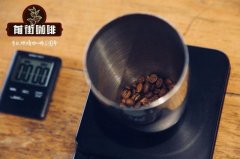
El Salvador Pacamara treatment characteristics of El Salvador Chivas Pacamara honey
Professional coffee knowledge exchange more coffee bean information please follow the coffee workshop (Wechat official account cafe_style) front street-El Salvador Chivas Manor Pacamara honey treatment introduction El Salvador's famous varieties, is undoubtedly Pacamara take the lead. The treatment methods are generally washed with water or honey treatment, the pursuit of different flavor characteristics. Meredith Farm is a large
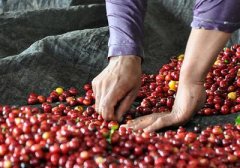
A brief introduction to the market price of El Salvador Himalayan boutique coffee beans with long-lasting and rich Huiyun
The first El Salvador to drink is washed beans, medium-shallow baked, warm and gentle, smooth entrance, sour and sweet mellow thickness are very regular, do not have too prominent flavor characteristics, so do not leave too much impression. But the flavor of tanning El Salvador becomes very recognizable and amazing. The dry aroma after grinding gives off a pleasant heat.
The treatment method of grinding degree and baking degree of El Salvador Himalayan boutique coffee beans with excellent balance
El Salvador's coffee accounts for 40% of the country's exports, and it is usually picked in November, December and the 13th of the following year. The export of raw beans lasts almost all year round. Coffee is produced in seven of the country's 14 provinces, with the largest number in the northwestern provinces of chalatenango and santa ana. The coffee produced in El Salvador is 100% Arabica, of which 68% is